Architecture and Visual Style of Cities
-
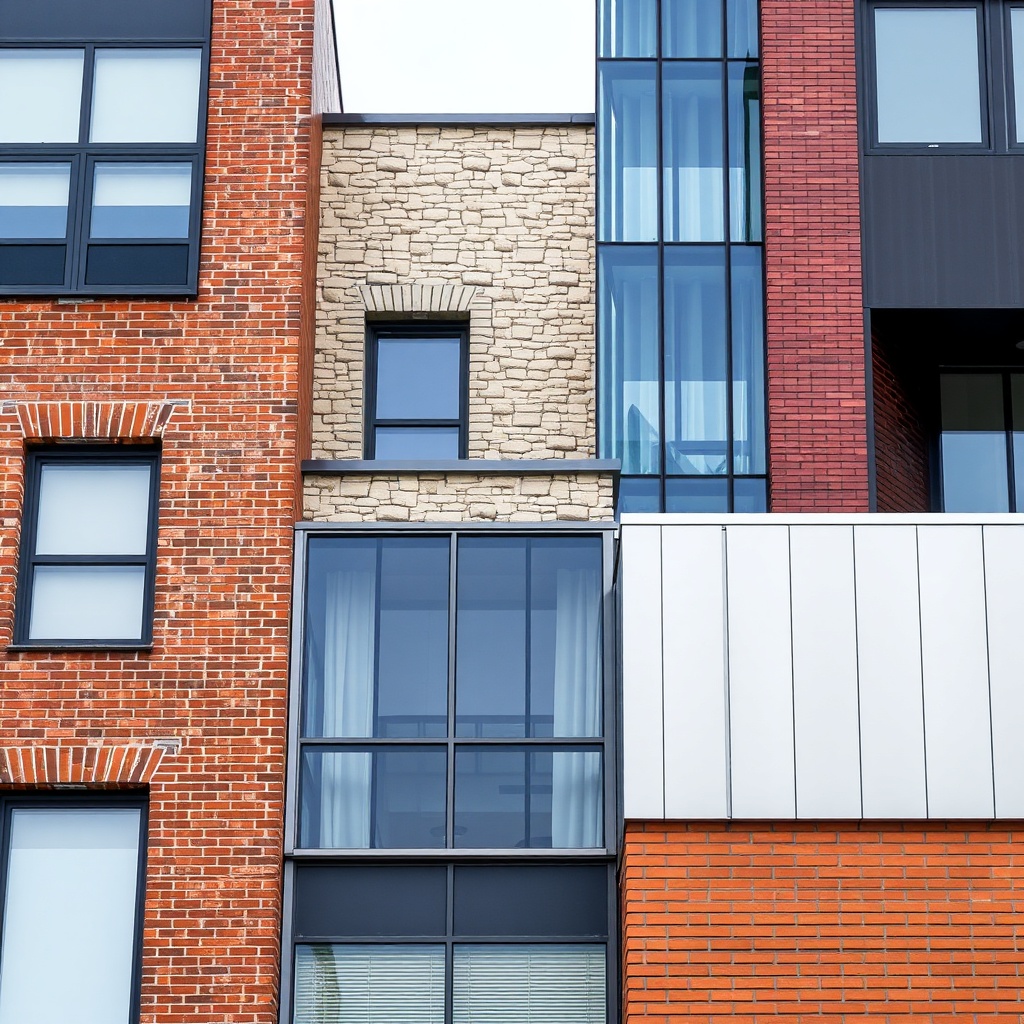
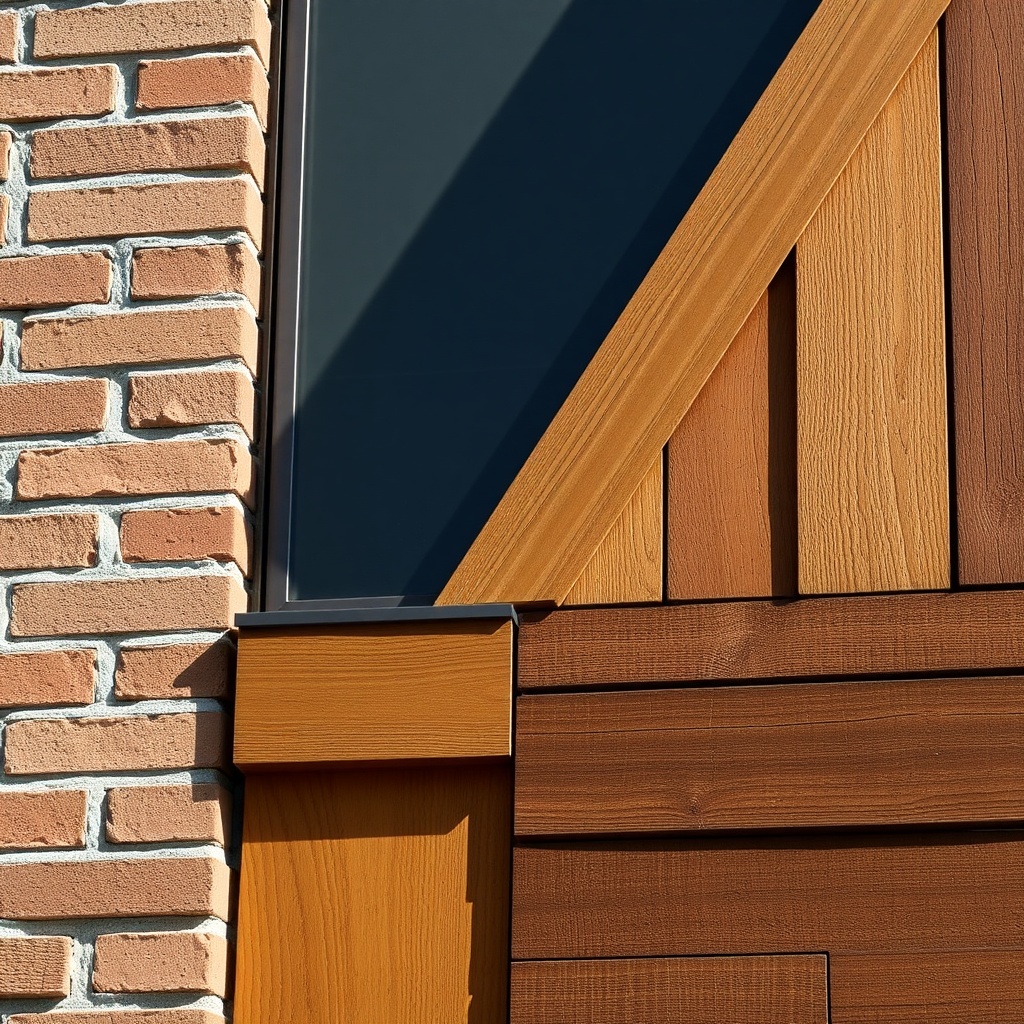
Building Facades & Materials
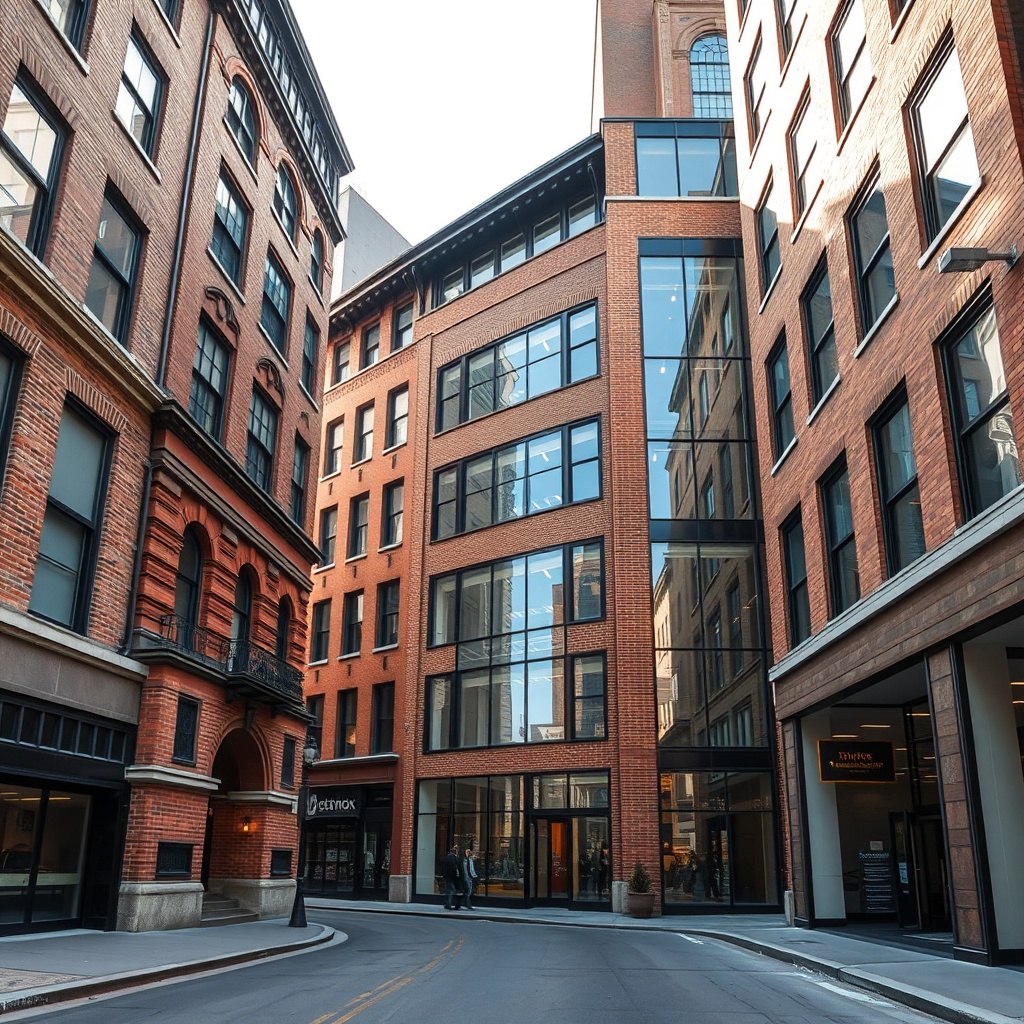
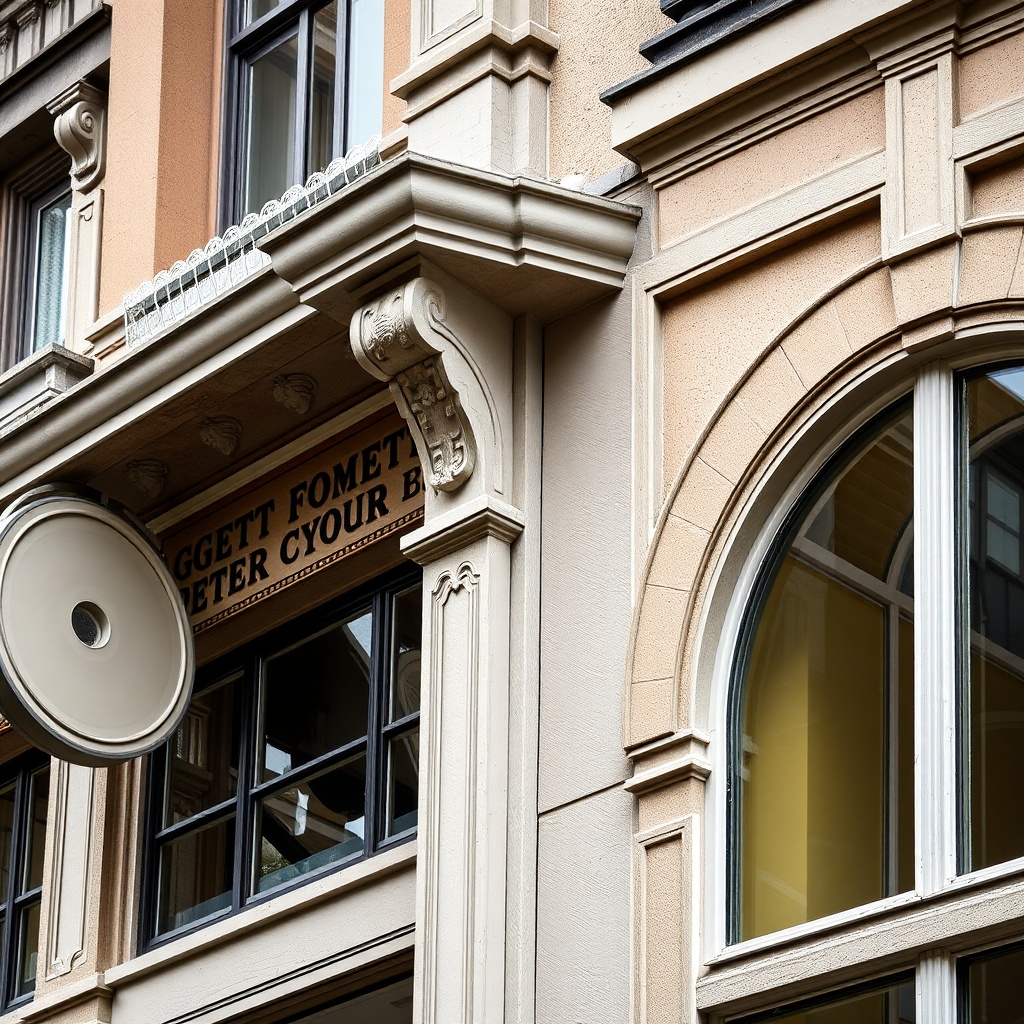
Explores the surfaces that define a street: masonry, terracotta, metal, glass, and painted finishes. Focuses on material choices, detailing, and how facades mediate light, scale, and human perception in historic and new construction.
-
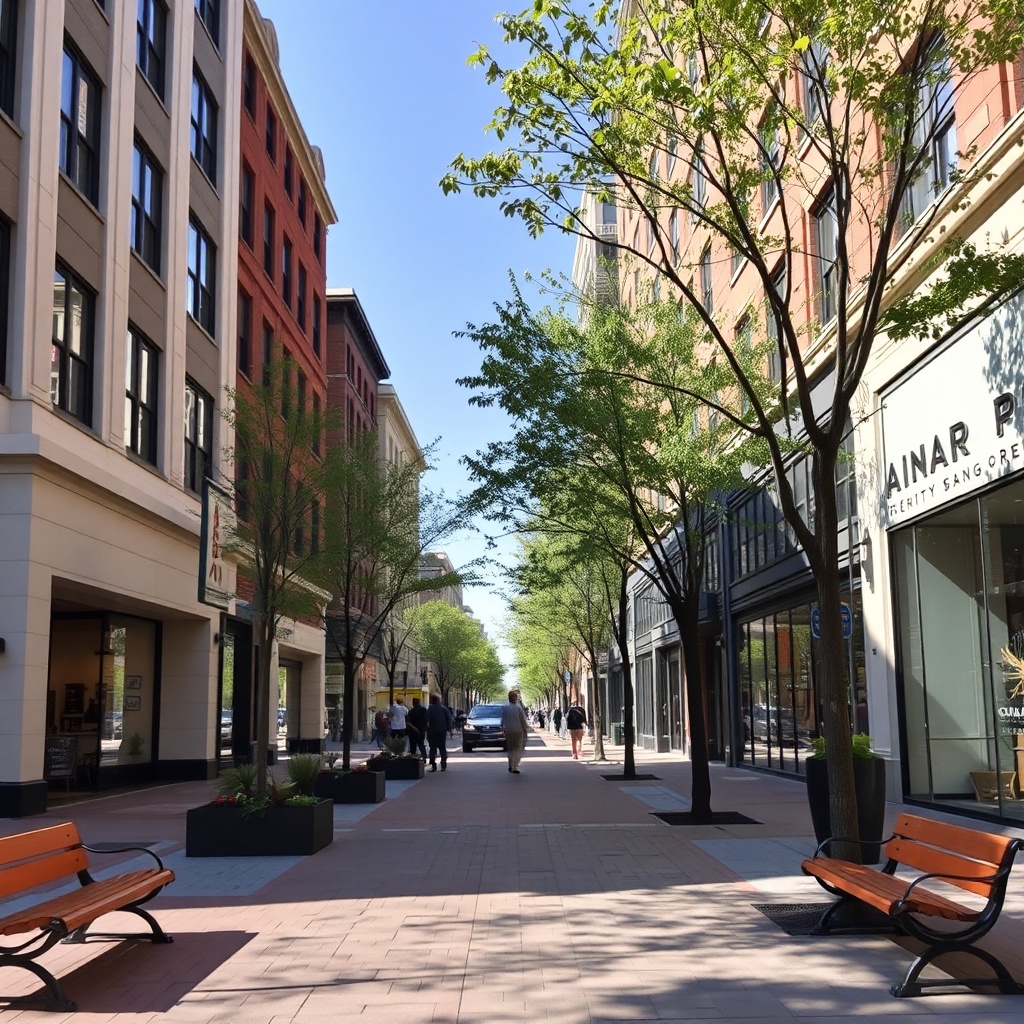
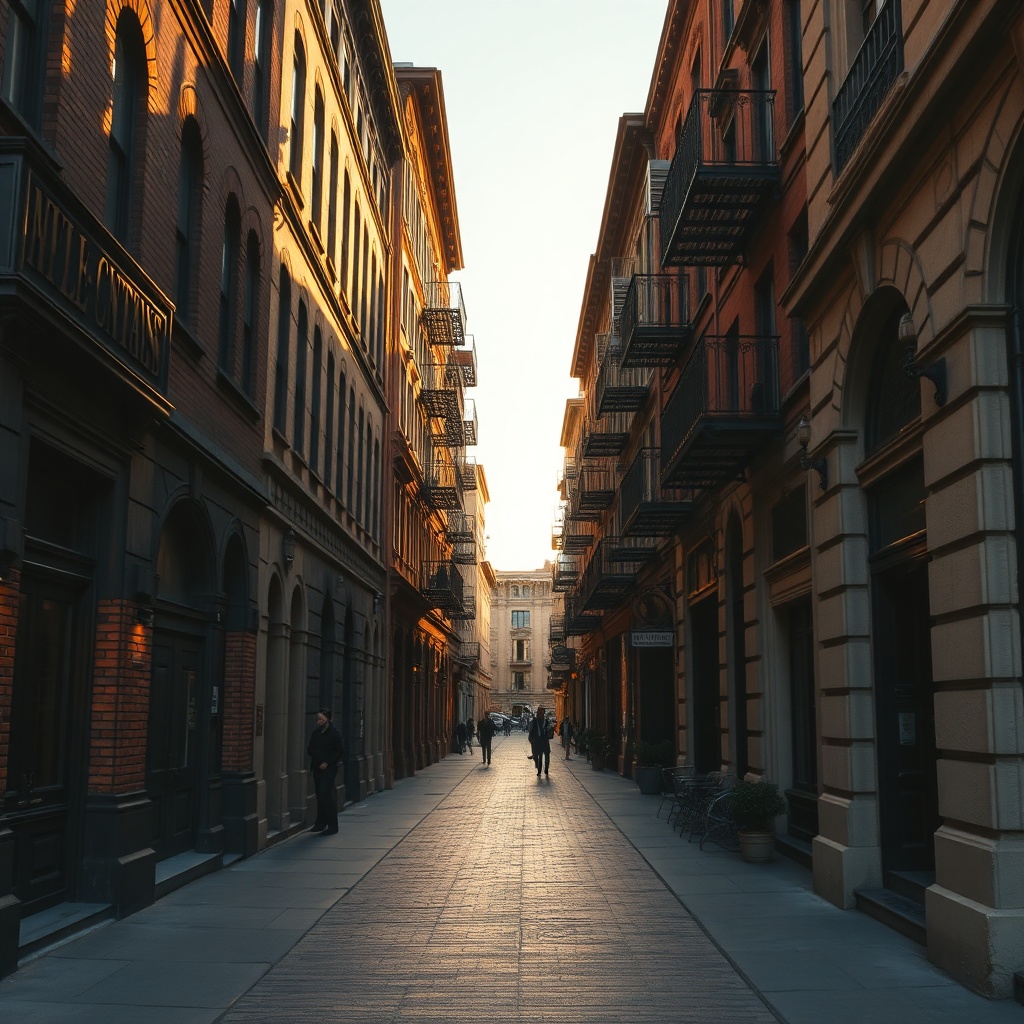
Streetscapes & Public Space Design
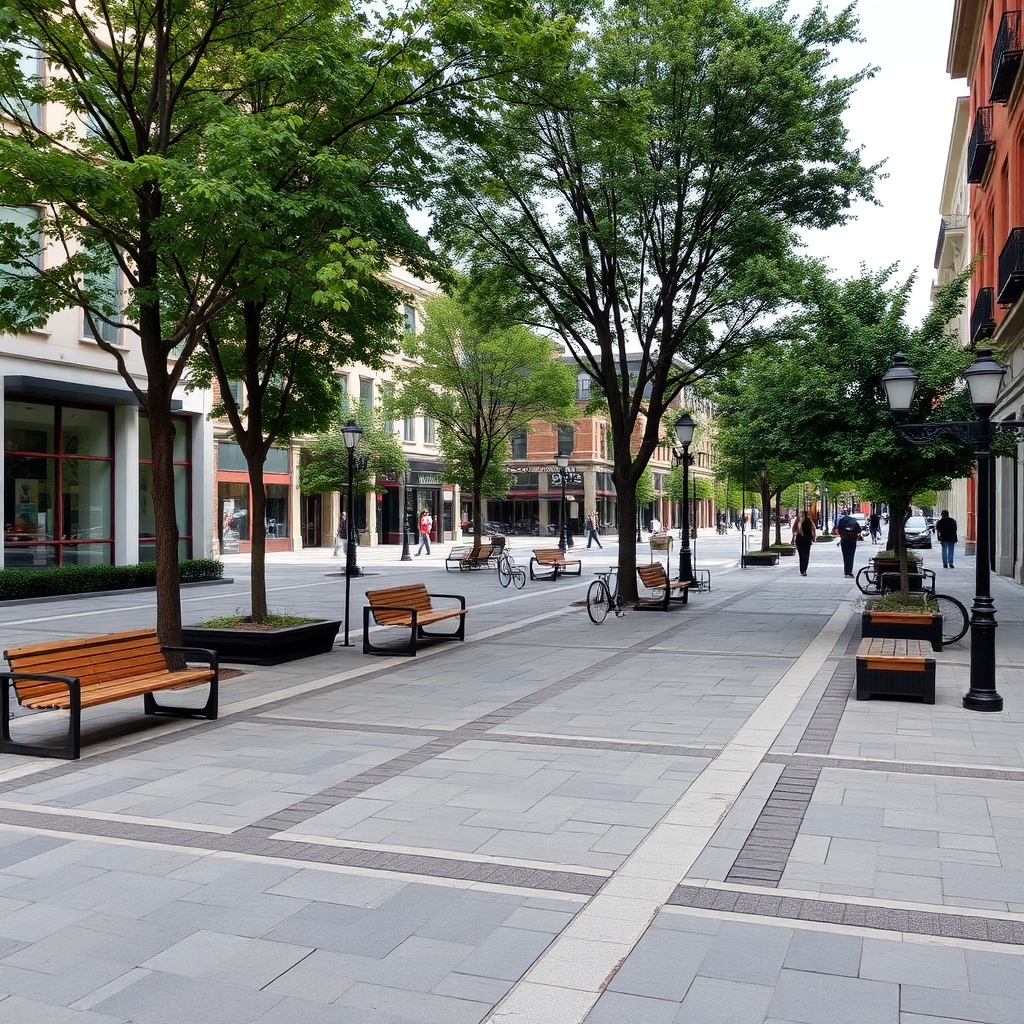
Covers street geometry, sidewalks, street trees, lighting, seating, and curb treatments that shape everyday life. Emphasizes walkability, accessibility, and small-scale interventions that create inviting public space.
-
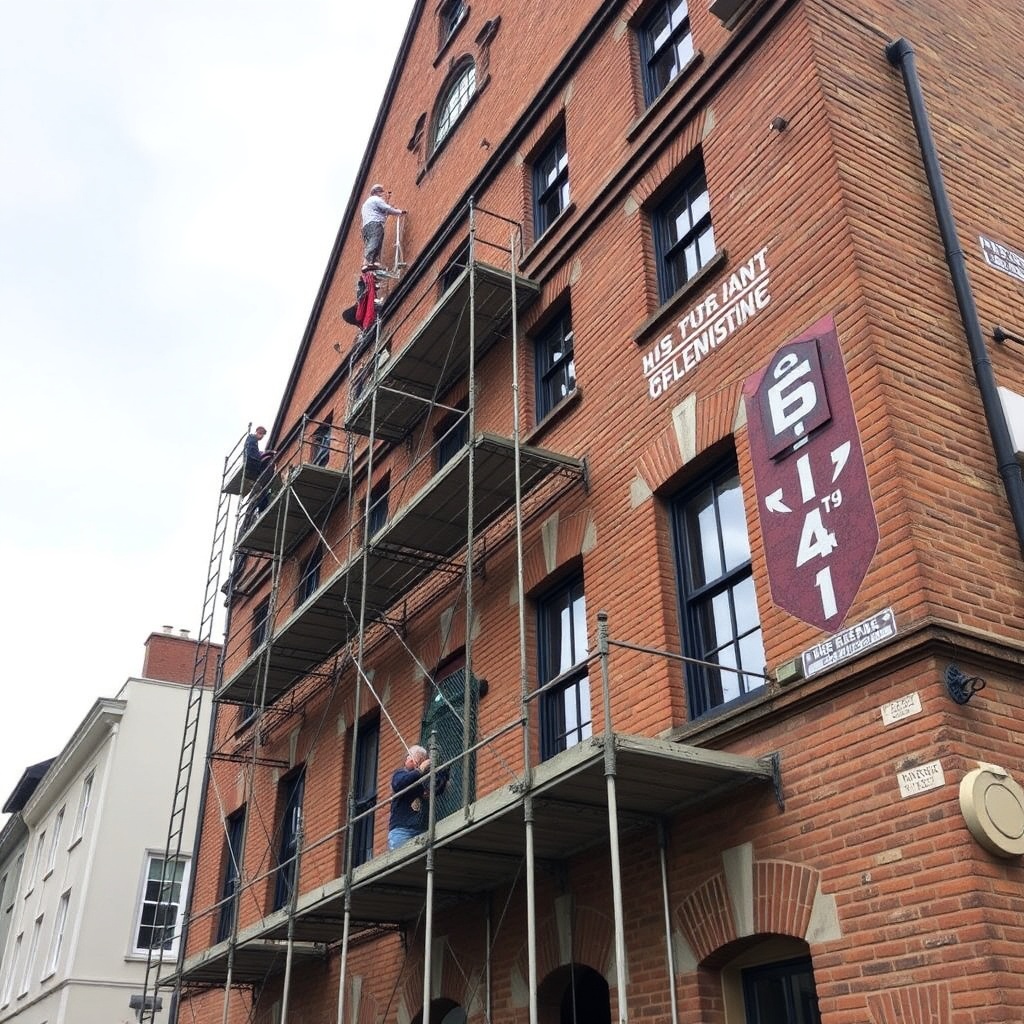
Historic Buildings & Conservation
Addresses preservation principles, documentation, and adaptive reuse strategies that keep heritage buildings functional. Highlights sensitive restoration approaches and the balance between authenticity and contemporary needs.
-
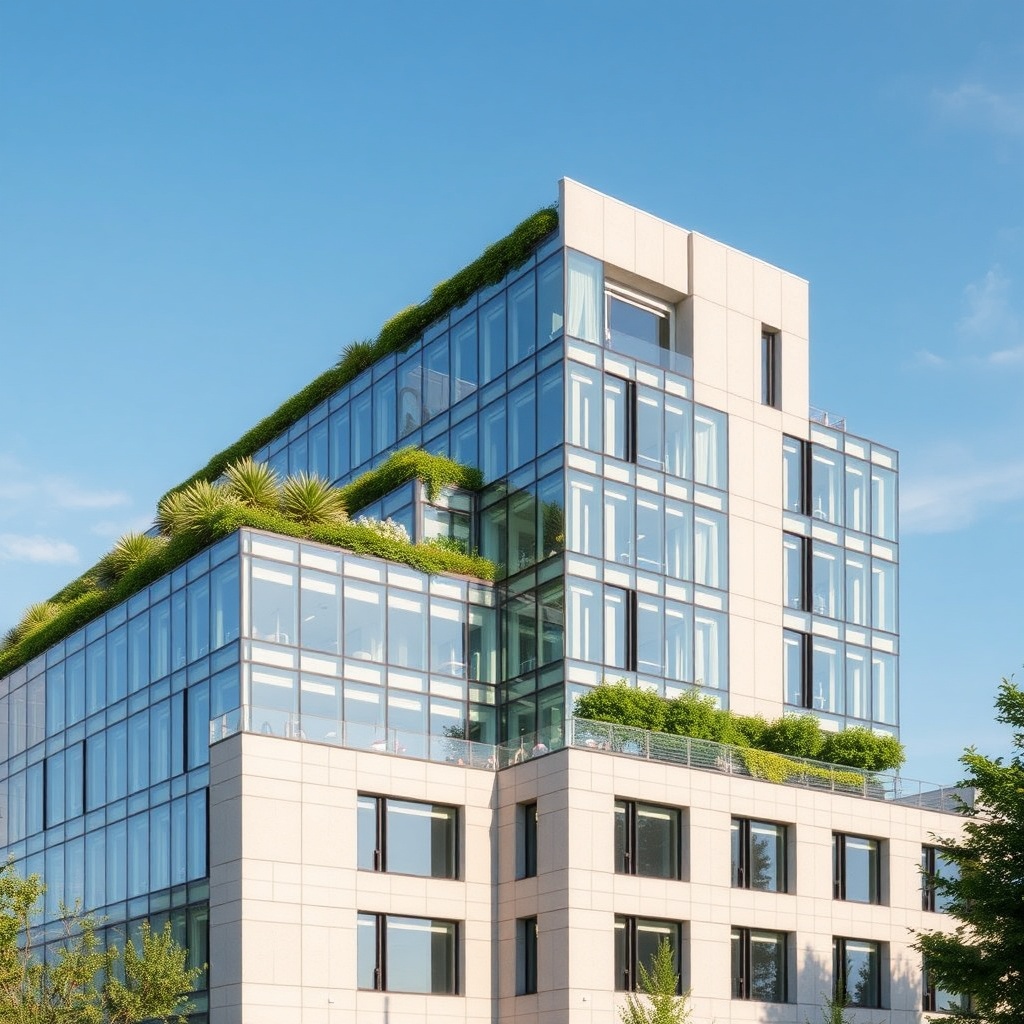
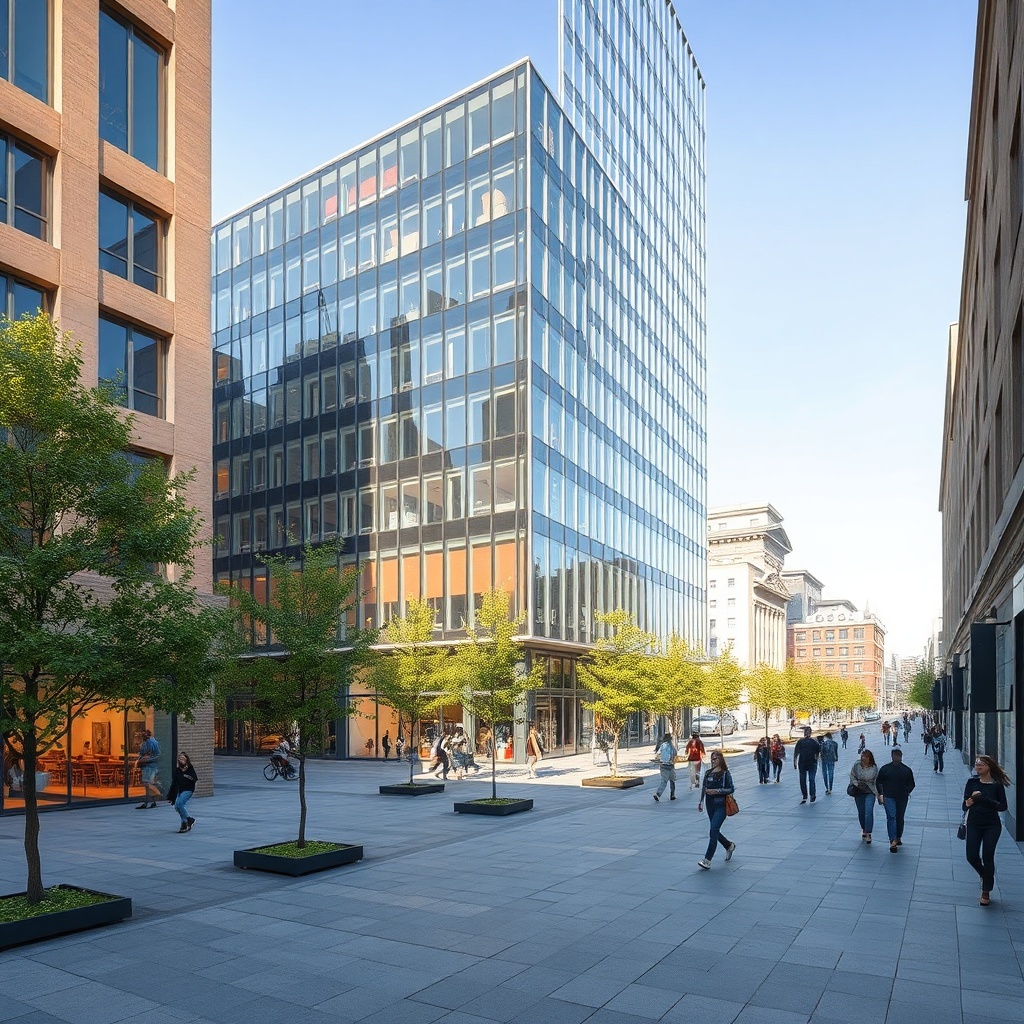
Contemporary Architecture & Innovation
Showcases recent projects that push form, structure, and material innovation while responding to urban context. Discusses sustainable detailing, daylighting, and how modern architecture integrates with existing neighborhoods.
-
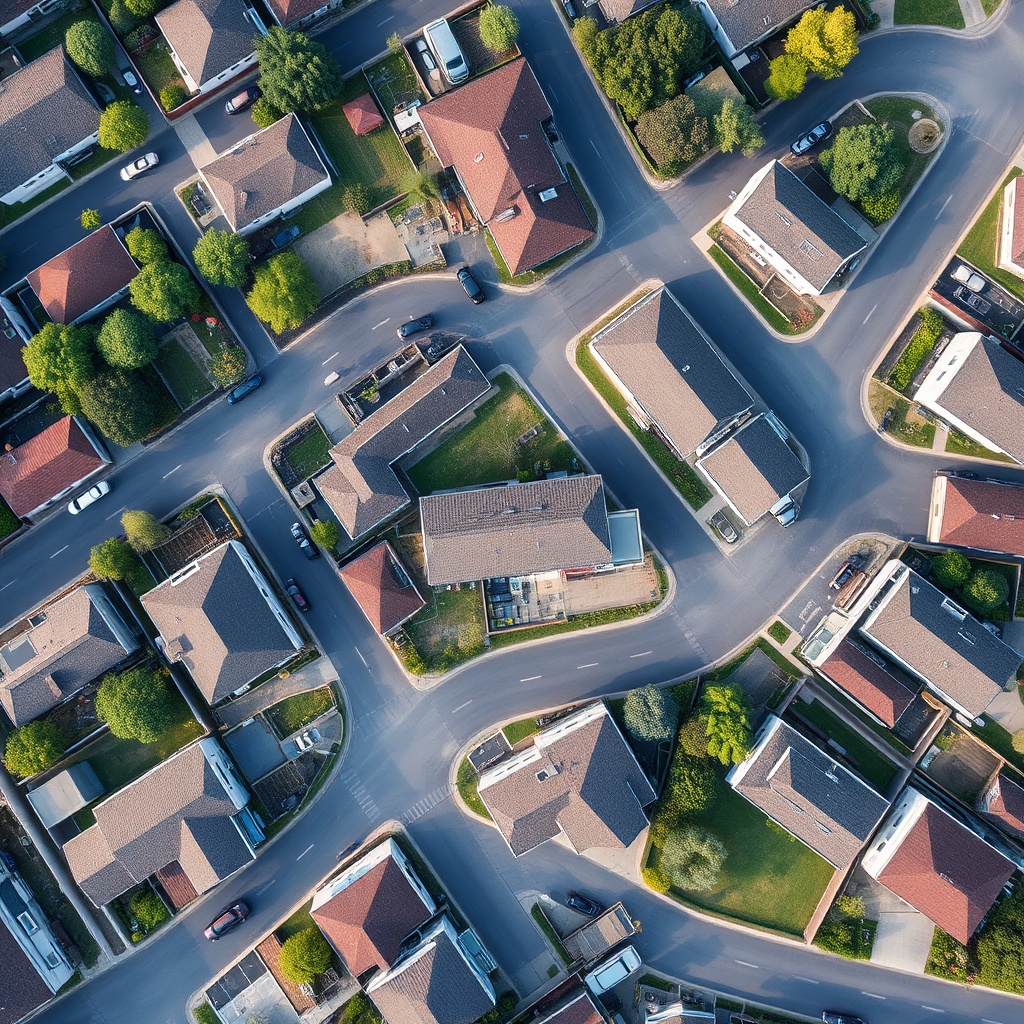
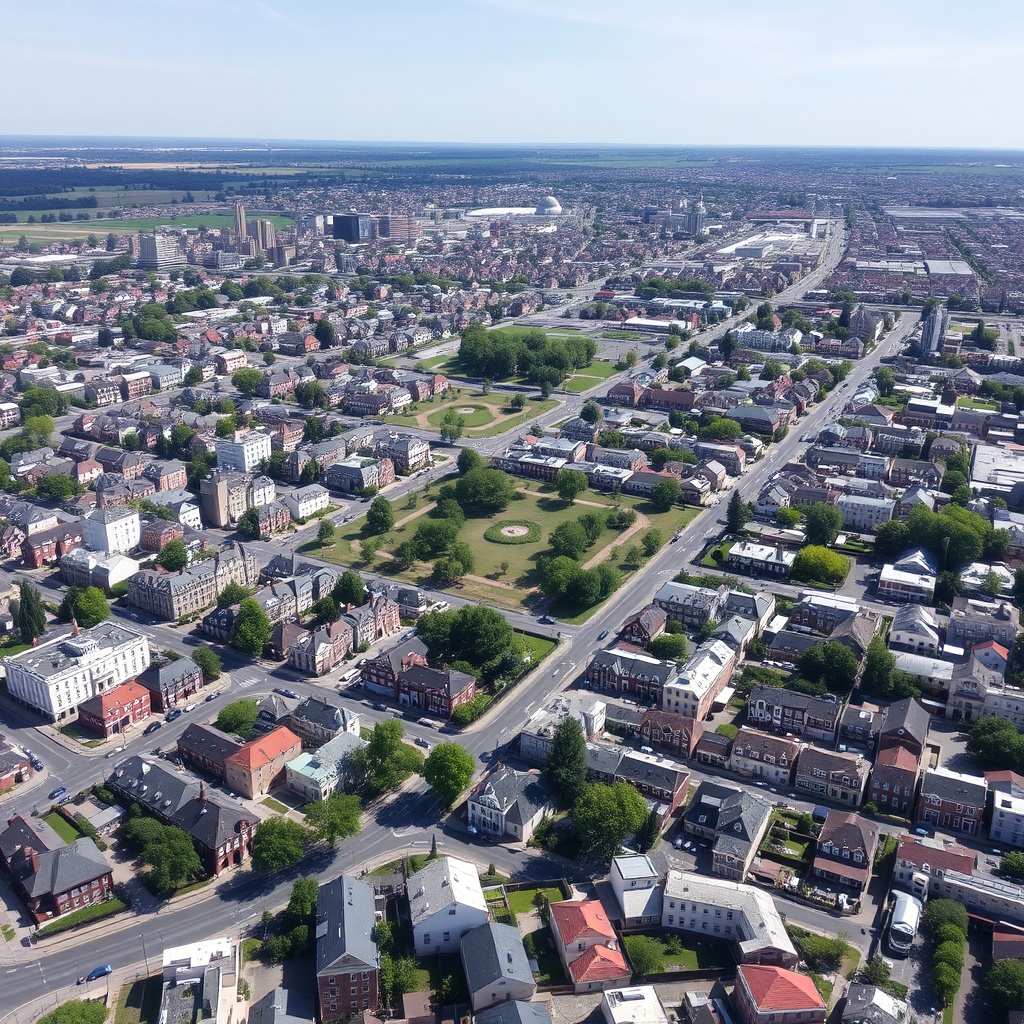
Neighborhood Identity & Site Resources
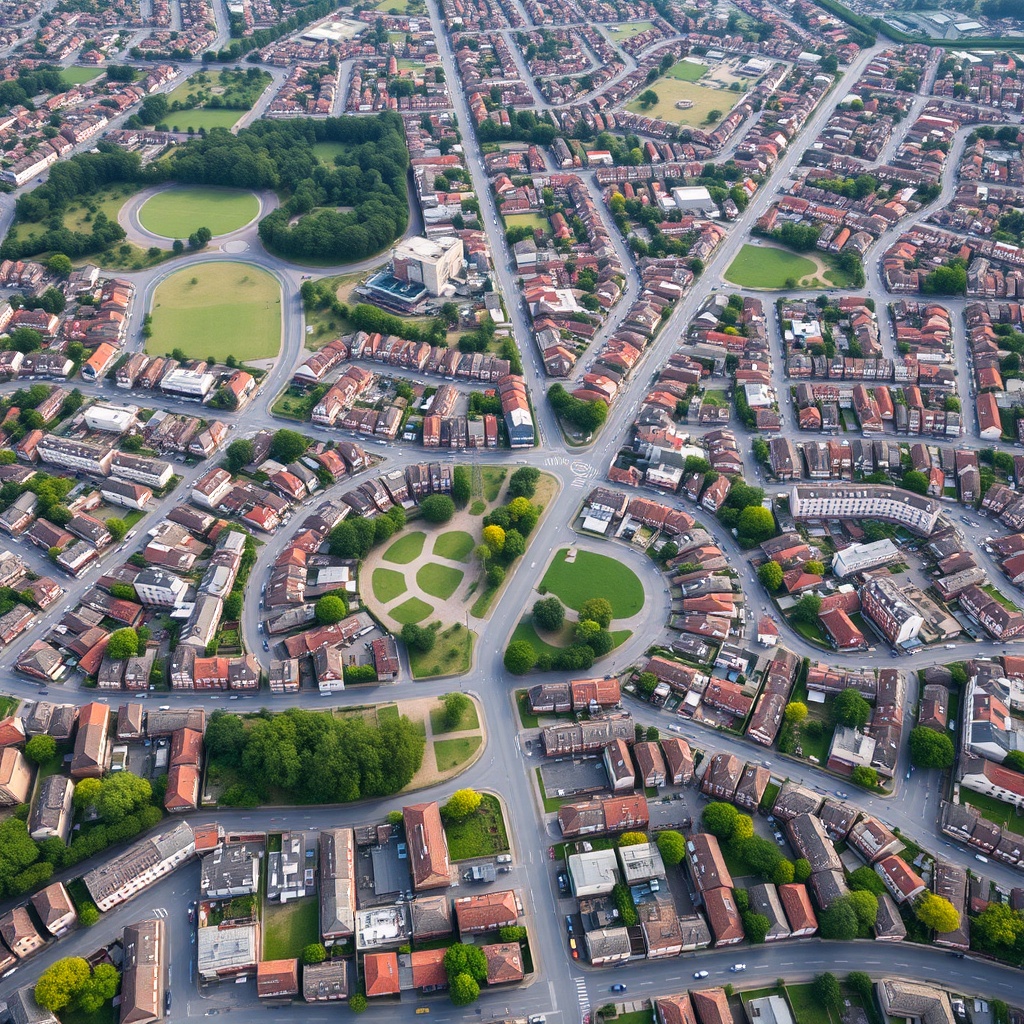
Examines the visual character that differentiates districts—color palettes, signage, block patterns, and street-level activity. Includes site resources and pages for editorial content, contributor guidelines, terms, and privacy information to support research and community input.